Professional Ann Arbor top home remodeling contractor for Custom Projects
Professional Ann Arbor top home remodeling contractor for Custom Projects
Blog Article
Home Renovation: Remake Your Space Into Your Ideal Home
Home remodeling provides a practical method to improving both functionality and aesthetics in living spaces. It allows homeowners to customize their spaces and potentially increase property value. However, attaining the desired results demands thorough planning and commitment to a budget. Comprehending design styles and selecting the right contractors are vital steps in this process. As homeowners start this journey, they must consider what they truly wish to achieve. The path ahead holds several important factors to explore.
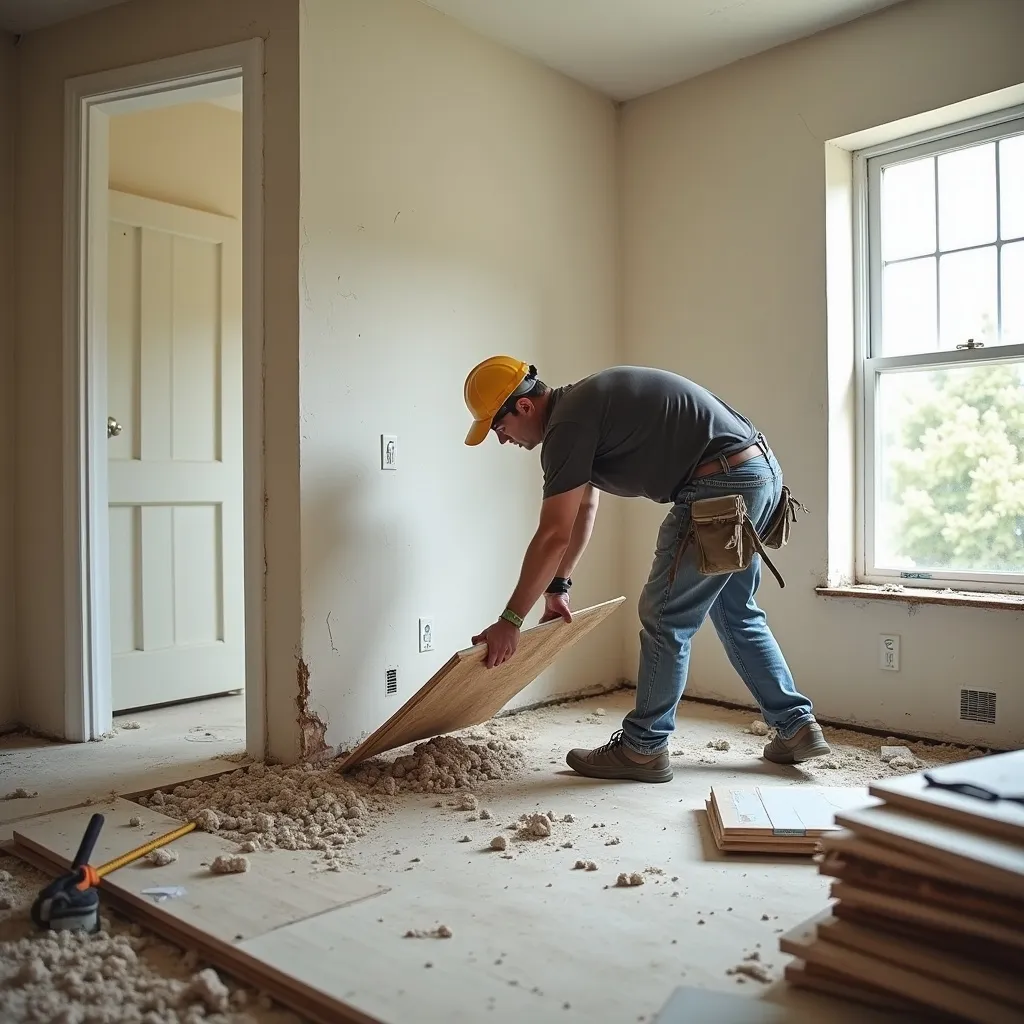
What Are Your Goals for Your Home Remodeling?
What goals does one have in view when undertaking a home remodeling job? People often seek to enhance capability, improve aesthetics, or increase property value. Some may desire a more open layout to promote social interactions, while others aim to build a serene retreat within their home. Specific objectives can include modernizing outdated spaces, incorporating energy-efficient elements, or expanding living areas to accommodate growing families.
Moreover, a property owner might desire to customize their surroundings to display their preferences and preferences, making it a genuine reflection of who they are. Safety and ease of access can also prove important factors, mainly for those having aging family members or disabilities. Ultimately, the objectives of a remodeling project serve as the cornerstone for decision-making, guiding choices in aesthetics, finishes, and overall delivery. Understanding these aspirations is essential for achieving a positive transformation that meets both practical needs and personal desires.
How to Plan your finances for Your Home Remodeling Project
Budgeting for a home remodeling project requires careful preparation and consideration. It is crucial to establish an overall budget, rank necessary improvements, and account for unexpected costs that may occur. By tackling the budgeting procedure methodically, homeowners can accomplish their goals without financial strain.
Determine Your Overall Budget
Before launching a home remodeling project, it is critical to determine an comprehensive budget that corresponds with both budgetary limits and renovation goals. Property owners should start by analyzing their finances to grasp how much they can reasonably allocate for the project. This comprises assessing savings, income, and possible financing options. It is also important to include unexpected expenses, typically 10-20% of the total budget, to tackle unforeseen issues that may surface during remodeling. Additionally, property owners should research the costs pertaining to various materials and labor in their area, allowing informed decisions. By establishing a clear budget, homeowners can keep focus on their remodeling goals and sidestep the stress of overspending.
Prioritize Essential Upgrades
With a clear budget in place, homeowners can focus on determining which upgrades offer the most value and usefulness to their space. The process of prioritizing important upgrades includes assessing areas requiring immediate attention, such as old plumbing or electrical components, which can pose safety issues. Kitchen and bathroom upgrades often deliver high returns on investment; as a result, investing in updates for these rooms is frequently beneficial. In addition, increasing energy efficiency with check article better windows, insulation, or appliances can reduce costs over time. Lifestyle needs should also be considered by homeowners, such as providing open areas for family gatherings or designated workspaces. By choosing upgrades strategically to suit immediate priorities and long-term plans, homeowners can optimize their remodeling results without exceeding their budget.
Prepare For Surprise Financial Outlays
Preparing for unforeseen expenses is vital for property owners undertaking a renovation project. Budgets can rapidly grow tight when unforeseen issues happen, including structural problems, aging electrical systems, or concealed moisture issues. Experts recommend setting aside an additional 10 to 20 percent of the total budget to account for these contingency expenses. Homeowners should also think about potential price fluctuations in materials and labor. Researching area contractors and obtaining multiple estimates can provide a better understanding of expected expenses. Additionally, keeping clear dialogue with construction professionals throughout the process helps identify and address issues promptly. By proactively accounting for these unforeseen expenses, homeowners can ensure that their remodeling project stays on track, ultimately transforming their home without budget stress.
What Design Styles Suit Your Home Renovation?
Regarding home remodeling, design styles constitute an key element in crafting the overall aesthetic. Homeowners can determine from a collection of selections, such as modern minimalist aesthetics, cozy rustic charm, and elegant traditional touches. Each aesthetic delivers its own distinctive character, modifying both the atmosphere and functionality of the space.
Contemporary Minimalist Aesthetic Approach
Contemporary reductive design offers an stimulating strategy to home remodeling, characterized by straightforwardness and usefulness. This style stresses airy layouts, straight edges, and a restrained color palette, often presenting neutral tones that create a sense of calm. Furnishings and decor are deliberately selected, yielding an clean setting that enhances overall harmony. Natural materials, such as lumber and stone, commonly function as an important capacity, lending warmth while keeping a refined appearance. Lighting is carefully designed, often utilizing sizeable glass openings to maximize natural light. In a contemporary minimalist home, each detail has a function, contributing to a unified aesthetic that reflects the homeowner's commitment to clarity and efficiency. This aesthetic promotes tranquility, making it suitable for contemporary living.
Inviting Rustic Charm
Embracing the spirit of warmth and coziness, cozy rustic charm stands as a favored choice for homeowners looking for a more inviting atmosphere. This design style often includes natural materials, such as reclaimed wood, stone, and soft textiles, forming an natural feel. Earthy color palettes—think warm browns, soft greens, and muted reds—enhance the connection to nature.
Key aspects include exposed beams, substantial furnishings, and vintage accessories, which provoke a feeling of nostalgia. Fireplaces work as main attractions, uniting families together in a relaxed environment. Additionally, mixing contemporary conveniences with traditional touches provides functionality without losing charm. Overall, inviting rustic character changes spaces into tranquil retreats, making it an appealing option for those wishing to bring their homes with character and warmth.
Elegant Traditional Touches
While many homeowners pursue ease through rustic designs, others appreciate beauty in the polished aesthetic of traditional styles. This design approach focuses on timeless elements such as intricate trims, vintage furniture, and rich color palettes. Traditional spaces often display symmetrical layouts and orderly setups, offering a sense of structure and sophistication. Incorporating antique or vintage pieces can enhance authenticity, while luxury materials like silk and velvet add depth and texture. Architectural elements, such as coffered ceilings and wainscoting, enhance an overall sense of splendor. Homeowners embracing this style often choose comfortable, inviting spaces that express their heritage or personal history, positioning traditional design a timeless choice for those seeking to embody a sense of refinement in their remodeled homes.
How to Determine the Most Suitable Contractors for Your Home Renovation?
Determining the right contractors for home remodeling can profoundly affect the success of a project. Homeowners should commence by researching regional professionals and validating their qualifications, including credentials and insurance. Perusing digital feedback and gathering recommendations from companions or relatives can provide valuable insights into a professional's reputation.
Following this, it's vital to consult several prospects to measure their interpersonal skills and professionalism. Property owners should request in-depth estimates and project timelines to maintain transparency. A qualified contractor should be inclined to answer questions and furnish a solid understanding of the project scope.
Additionally, reviewing past undertakings or galleries can benefit homeowners assess a contractor's technique and proficiency of work. Finally, faith and mutual understanding are important; a contractor's temperament and cooperation to collaborate can greatly determine the renovation experience. By taking these steps, homeowners can render informed decisions that align with their vision for their dream home.
Which Vital Guidelines Will Help You Achieve a Effective Home Remodeling?
How can homeowners ensure a positive home remodeling project? First, establishing a clear vision is crucial. Property owners should define their objectives and preferences, making sure all stakeholders comprehend the intended outcome. Next, establishing a realistic budget helps reduce unforeseen costs. It's crucial to include a reserve fund for unforeseen challenges.
Meaningful communication with builders is critical; homeowners must articulate their needs and expectations explicitly. Regular updates and site visits can facilitate this interaction. Moreover, researching products and trends will empower homeowners to make informed decisions, balancing appearance and functionality.
To conclude, obtaining required permits guarantees adherence to local regulations, avoiding future complications. By implementing these tips, homeowners can manage the complexities of remodeling, ultimately converting their space into a ideal home.
Ways to Keep Your Recently Renovated Home in Great Condition?
Once committing effort and capital into a home refresh, homeowners must underscore regular maintenance to keep their recently revamped space. Consistent cleaning is essential; using appropriate products for different surfaces will prevent wear and tear. For instance, hardwood floors necessitate particular products that protect the finish, while countertops may require specialized care to bypass stains.
Moreover, property owners should carry out seasonal inspections to address any issues in advance. This involves checking for leaks, caring for HVAC systems, and making sure outdoor drainage is operating properly. Routine upkeep of appliances and fixtures will also increase their lifespan.
Furthermore, it is important to set up a maintenance schedule that specifies tasks like repainting or applying sealant to surfaces as needed. By devoting effort to these tasks, homeowners can copyright the aesthetic and functionality of their remodeled spaces, ultimately raising their property’s value and comfort for many years forward.
Typically Raised Questions Regularly
How long Does a Typical Home Remodeling Project Take?
A typical home remodeling undertaking may take anywhere from a few weeks to several months, depending on the breadth, sophistication, and proportions of the remodel. Each endeavor fluctuates depending on individual demands and unpredictable difficulties.
What Permits Must You Obtain for Home Remodeling?
Commonly, certifications needed for residential remodeling include building, electrical, plumbing, and mechanical permits. Local ordinances may vary, so it's necessary for homeowners to contact their municipality to confirm compliance with all mandatory guidelines and standards.
How Can I Reduce Interruptions During Renovation?
To lessen disruptions during remodeling, one can establish transparent communication with contractors, establish specific work hours, choose a separate living area, and preserve a tidy workspace. Preparing in advance helps ensure a smoother remodeling process.
Frequent Blunders to Steer Clear Of in Your Remodeling Endeavor—What Are They?
Avoid these common errors when renovating: underestimating expenditures, neglecting permits, forgoing thorough planning, selecting unsuitable materials, ignoring timelines, and failing to communicate clearly with construction teams, which can ultimately result in expensive delays and unsatisfactory outcomes.
What's the Best Way to Address Unexpected Expenses While Renovating?
To manage unforeseen costs during renovation, one should maintain a contingency budget, discuss freely with builders, focus on necessary upgrades, and stay adaptable in decision-making. This approach assists with managing budgets and minimizes stress throughout the project.
Report this page